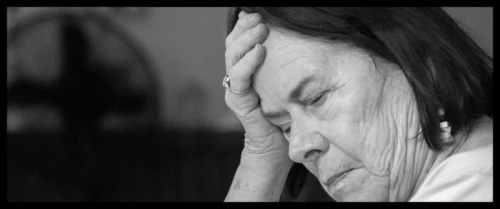
The day I came home from the county hospital, my keys no longer fit my own front door. I stood on the porch with a small suitcase I had not packed, and I listened to Kailey explain, very gently, that this was not my house anymore. She held up a folded paper thick with seals and waved it at me the way you shoo off a stray dog. She was young and smug, and I was sixty-one with a healing hip and a hurt in my chest that had nothing to do with bone. She had lived under my roof for six years, and somewhere in those years I had come to love her. That was the mistake.
Her name was Kailey Bishop. She arrived at my door on a cold spring evening, soaked and shivering, clutching a duffel bag that had seen better days. Her mother, an old friend from church, had passed that winter. She stood on my porch with a small quaver in her voice and asked whether she could stay, just until she found her feet. I was sixty-one, a widow, and my own daughter Ashley had moved to Oregon years before. The house on Juniper Lane held too much quiet. I said yes without much thought, and for a long time I never once regretted it.
That first year she paid rent in a little red envelope at the start of every month. She rode the bus to community college. She found work at the beauty parlor downtown. When I came in late from volunteering, she would have supper warm on the stove, and she fixed the porch board I had been tripping over for months. I watched her become somebody, and it filled a hollow in me I had never wanted to name. I did not think of her as a tenant. I thought of her as the daughter I no longer had nearby, and I let that warmth settle in like a roof I trusted.
I did not notice when she stopped calling it my house, because it slipped past me in small ways. She began sorting my mail. She began telling me what I could not throw away. When I mentioned the garden, she smiled and said she would see to it. At the church supper that spring, I heard her tell a neighbor, laughing, that the poor old lady needs somebody to look after her affairs. I let it pass because it came out loving. That is exactly how it works, I learned. The quiet ones do not push. They drift, inch by inch, until the whole roof belongs to them without a sound.
By the second year it grew bolder. She changed the side door lock so the handyman could not get in. She repainted, claiming the old color had faded. She took to standing in the front bedroom with her arms folded, gazing out at the yard as though she were already measuring it for herself. When I asked her about it, she told me not to worry, she was just thinking. I told myself I was being paranoid, the way a lady of my age learns to distrust a young person who is simply helpful. That was the lie I told to keep the peace.
Last winter my hip gave out on the ice by the mailbox. A spoil of snow had melted and frozen again, and I went down hard before I could get my hands out. Kailey found me, called the ambulance, drove me to the county hospital, and sat beside me for three days while the doctors settled my joint. I remember telling the nurse what a good girl she was and how fortunate I felt. She brought me broth. She fed the cat. She visited like a devoted child. What I did not see was that every hour she spent beside me, she was on her phone with someone else. She was arranging a lawyer.
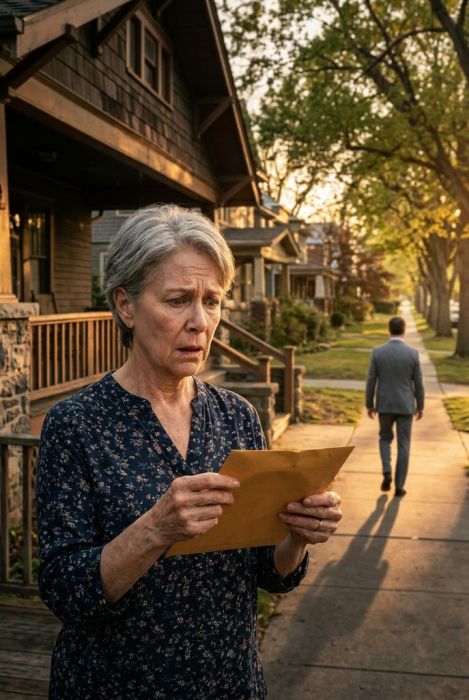
I came home to a lock that would not take my key. On the porch stood Kailey with a tall man in a raincoat who told me he was her attorney. Margaret, she said in the softest voice she owned, after all these years the documents were signed, and the house has passed to me. She claimed I had signed it to her in exchange for care and companionship. She claimed she had a witness, an older woman who had seen the signing, and a notary stamp to prove it. I had signed nothing. But a folded page with the right seals can cut deeper than any blade.
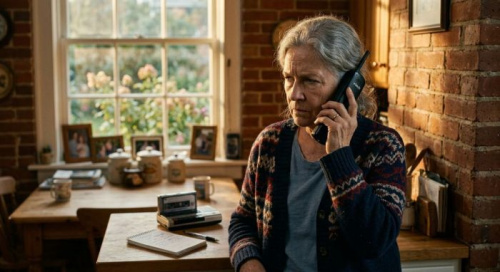
I spent two bad nights in the spare room, listening to a sealed door and a cat who did not understand why the house had changed. On the third morning I telephoned Henry, the slow-voiced lawyer who had carried me through my husband's death a decade earlier. Henry told me the lasting truth plainly. Anyone can press a claim onto a property, and if no one contests it in time, it can swallow a title whole. He did not tell me to panic. He told me to stay very still, and to remember that a claim against a house has to be perfect. It almost never is.
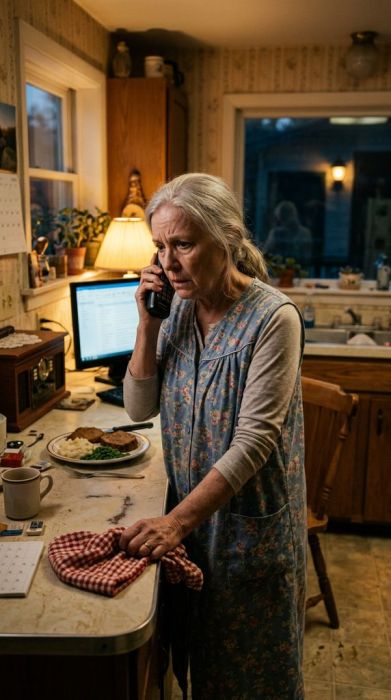
That was when I did the one thing I still feel ashamed of. Instead of facing Kailey head-on in front of the neighbors, I let her believe she had already won. I let her keep my name inside her folder. And I quietly turned to the one object her plan never thought to reach, the old rotary telephone beside the armchair. Months earlier, with Henry's counsel, I had begun to record calls. Only the ones in which she reminded me the house was no longer mine.
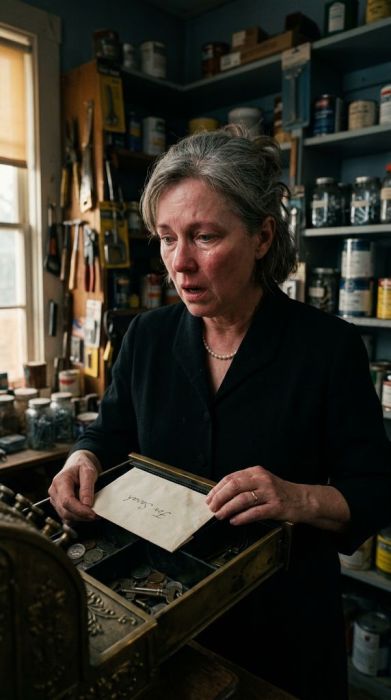
And there it was. On an afternoon when she thought she had me cornered, I asked her, why are you telling the notary I signed the house to you? And she answered, plainly as running water, because I was never born to be your tenant. I was born to own this house. Then she laughed, and the machine kept. I kept that tape in a brown paper envelope under the mattress like a woman hiding her last coin.
On the day of the closing, Kailey wore her newest coat and held her papers like a flag. It does not have to turn ugly, Margaret, she told the table. You sign, I hand you your settlement, and I take the deed, and we go our own ways. I asked, through Henry, to see the settlement. She set it on the table, certain.
I turned to the page that mattered. A tidy sum, I read, for the property on Juniper. And then I said, quietly, but the deed is styled with a name I have not carried in twenty years. On the line where I am said to have signed, there is a familiar hand. Not mine. My late husband, buried nine years. The paper says I signed the house away. The hand signed it was not a living one.
Henry waited, and then spoken: This paper carries the signature of a man nine years gone. It is a forgery. I watched the color drain from Kailey's face. Her lawyer turned to the same page and began to count. And when the notary was found, she swore she had never met me. The witness was a cousin Kailey had told what to say. The whole structure came apart, until no one left to hold it.
In town they heard the argument. Bank fraud, forgery, and financial exploitation of an older person. There was no running, no shouting. Only the truth, flat as paper, and it landed on her at once. She had taken nothing, because nothing had ever been hers to take but the chance I gave her. She traded six years of shelter for six months of lies.
I still grieve her. She could have kept that warm room and built a good life. My own daughter came home that spring and gave me the sentence I now carry, that a stranger's kindness should never cost you your own name. The house is mine. The cat grows fat. And I keep that old rotary telephone by the chair, silent and unplugged, because the truest things do not need to ring to be true, and the lessons we do not want are the ones that outline us without a sound.